Why Is Muscle Hypertrophy Important for Fitness Goals?
- 2 hours ago
- 3 min read

Have you ever wondered why many fitness programs focus heavily on resistance training and muscle development? Building stronger muscles is not only about physical appearance; it also plays an important role in strength, endurance, mobility, and overall body performance. People who follow structured workout plans often aim to improve muscle size and function to support both athletic and everyday activities.
Muscle hypertrophy refers to the process of increasing muscle size through resistance training, proper nutrition, and consistent recovery habits. It commonly occurs when muscles adapt to physical stress caused by strength-based exercises. Whether someone is focused on improving athletic performance, enhancing body composition, or increasing physical strength, muscle development often becomes an important part of long-term fitness progress.
How Muscle Growth Happens
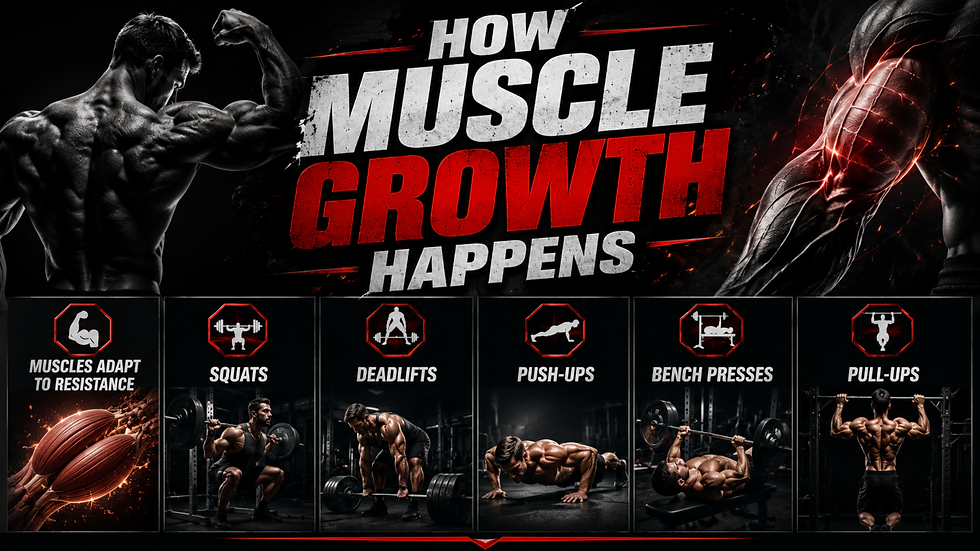
Muscles Adapt to Resistance
When muscles are challenged through activities such as weightlifting or resistance exercises, small amounts of stress occur within muscle fibers. The body then repairs these fibers, which may lead to stronger and larger muscles over time.
Common resistance exercises include:
Squats
Deadlifts
Push-ups
Bench presses
Lunges
Pull-ups
Progressive overload, which involves gradually increasing workout intensity, often helps support continued muscle development.
Consistency Matters
Regular exercise combined with proper nutrition and rest usually contributes to more effective training outcomes.
Benefits of Building Muscle
Improves Physical Strength
Increased muscle mass can help improve lifting ability, endurance, and overall physical performance.
Potential benefits include:
Better movement efficiency
Increased workout performance
Improved posture
Enhanced balance and stability
Greater physical confidence
Stronger muscles may also help support daily activities and reduce physical strain.
Supports Metabolic Function
Muscle tissue requires energy to maintain itself, which may contribute to improved calorie usage throughout the day.
The Importance of Nutrition
Protein Supports Muscle Development
Balanced nutrition plays an important role in supporting workout performance and muscle repair.
Helpful nutrition sources may include:
Lean meats
Eggs
Dairy products
Legumes
Nuts and seeds
Whole grains
Adequate protein intake often supports better training recovery and performance.
Hydration and Meal Timing
Staying hydrated and consuming balanced meals around workouts may help improve exercise efficiency and energy levels.
Recovery Supports Better Results

Rest Is Essential
Exercise alone is not enough for consistent progress. Recovery allows muscles to repair and adapt after training sessions.
Proper muscle recovery may include:
Quality sleep
Rest days
Stretching
Hydration
Balanced nutrition
Recovery habits often influence workout performance and long-term progress.
Avoid Overtraining
Excessive exercise without recovery may increase fatigue and reduce performance.
Training Strategies for Better Progress
Combine Strength and Variety
Different exercises challenge muscles in multiple ways and may improve overall development.
Helpful workout approaches include:
Resistance training
Compound movements
Bodyweight exercises
Progressive overload
Consistent scheduling
Variety can also help maintain motivation and reduce workout boredom.
Track Progress Consistently
Monitoring workouts, nutrition, and energy levels may help individuals stay aligned with fitness goals.
Managing Nutrition and Fitness Goals
Build Better Eating Awareness
People focused on body composition often pay close attention to nutrition quality and calorie intake. Using a calorie counter for building muscle may help individuals understand eating habits, monitor nutritional intake, and support more structured fitness planning.
Support Long-Term Consistency
Healthy routines often become more effective when exercise, recovery, and nutrition work together consistently.
Conclusion
Muscle hypertrophy plays an important role in improving strength, supporting fitness performance, and enhancing overall physical wellness. Through resistance training, balanced nutrition, proper recovery, and consistent exercise habits, individuals can work toward stronger muscles and healthier lifestyles. Long-term progress often depends on maintaining realistic goals and building sustainable fitness routines over time.
FAQ
What causes muscle hypertrophy?
Muscle hypertrophy commonly occurs when muscles adapt to resistance training and recover over time.
How long does muscle growth take?
Results vary depending on training consistency, nutrition, recovery, and fitness level.
Is protein important for muscle growth?
Yes. Protein supports muscle repair and development after exercise.


Comments