How to Choose the Right Cute Calorie Counter App for Fitness Goals?
- May 27
- 4 min read
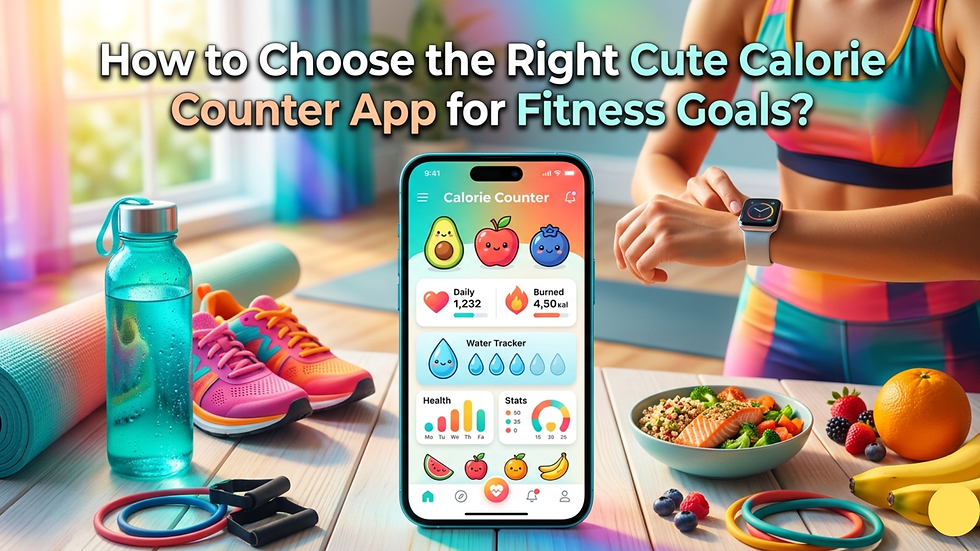
Trying to stay healthy but feeling overwhelmed by complicated fitness apps? Wondering which features actually help with weight loss, meal planning, and motivation? Choosing the right cute calorie counter app can make fitness tracking feel less like a chore and more like a daily habit you genuinely enjoy.
The best calorie tracking apps combine simple navigation, attractive design, accurate food logging, and personalized goal tracking. A good app should help users monitor calories, understand nutrition, stay consistent with workouts, and build long-term healthy routines without creating stress or confusion.
Whether the goal is weight loss, muscle gain, or balanced eating, the right app can turn small daily decisions into measurable progress.
Why Design Matters in a Calorie Tracking App
Many people abandon fitness apps because they feel too technical or boring. Visual appeal and user experience play a major role in consistency.
A well-designed app often includes:
Soft color palettes and clean layouts
Friendly reminders and progress visuals
Easy food search functionality
Personalized dashboards
Motivational badges or streak systems
When users enjoy opening an app, they are more likely to track meals regularly and stay committed to their goals.
Essential Features to Look For
Accurate Calorie Tracking
The primary purpose of any calorie counter is accuracy. Look for apps with:
Verified food databases
Barcode scanning
Portion customization
Nutritional breakdowns
Reliable tracking prevents underestimating calorie intake and helps users make informed food choices.
Goal-Based Personalization
Different fitness goals require different tracking methods.
An effective app should support:
Weight loss targets
Muscle-building plans
Maintenance calories
Macro tracking
Activity-based adjustments
Apps that adapt recommendations based on progress often provide better long-term results.
User Experience and Simplicity
Fast Meal Logging
Most users stop tracking when logging becomes time-consuming. The ideal app allows meals to be added within seconds.
Helpful tools include:
Saved meals
Voice input
Predictive search
Favorite foods section
The easier the process, the more sustainable the habit becomes.
Clean Dashboard and Insights
A clutter-free dashboard helps users quickly understand:
Calories consumed
Remaining daily intake
Water intake
Protein and nutrient balance
Workout progress
Visual charts and summaries make data easier to understand and improve decision-making throughout the day.
How Nutrition Support Improves Results

Good calorie tracking apps go beyond numbers. They also help users understand food quality and eating patterns.
Learning about balanced meals, protein intake, and portion sizes creates healthier habits over time. Many modern apps now include meal suggestions, hydration reminders, and educational resources related to Fitness food that support both beginners and experienced fitness enthusiasts.
This combination of tracking and nutrition education creates a more complete wellness experience.
Motivation Features That Keep Users Consistent
Progress Tracking
Seeing improvement visually can increase motivation significantly.
Useful tracking features include:
Weekly progress reports
Weight trend graphs
Habit streaks
Achievement milestones
Before-and-after comparisons
These small motivational tools encourage long-term consistency.
Community and Accountability
Some apps also include:
Challenges
Social groups
Coach support
Progress sharing
Accountability often helps users maintain momentum during difficult periods.
Around this stage of a fitness journey, users also benefit from tools like a calorie burn calculator to better estimate workout energy expenditure and maintain a realistic calorie deficit or surplus.
Privacy and Data Accuracy
Before downloading an app, users should also evaluate:
Data Security
Choose apps that clearly explain:
How personal information is stored
Whether data is shared with third parties
Login and password protection features
Health-related data should always be handled responsibly.
Database Reliability
Large food libraries are useful, but quality matters more than quantity. Verified nutritional information reduces tracking errors and improves overall results.
Free vs Premium Features
Many calorie-tracking apps offer both free and paid versions.
Free Versions Usually Include:
Basic calorie tracking
Food logging
Weight tracking
Simple reports
Premium Versions Often Add:
Advanced macro analysis
Personalized coaching
Recipe planning
Detailed nutrition insights
Ad-free experience
Users should decide whether premium tools genuinely support their fitness goals before upgrading.
Choosing an App That Matches Your Lifestyle

The best app is not always the most advanced one. It is the one that fits naturally into daily routines.
When comparing options, consider:
Time available for meal tracking
Preferred fitness style
Nutrition knowledge level
Device compatibility
Budget
A Free Calorie Counter App No Subscription often works best when it offers a simple and user-friendly experience that encourages long-term consistency. Platforms designed with accessible features can make calorie tracking feel easier and support healthier habits in a more engaging and enjoyable way.
Common Mistakes to Avoid
Choosing Based Only on Appearance
A visually attractive app still needs accurate tracking and reliable functionality.
Ignoring Long-Term Usability
Some apps feel exciting initially but become frustrating over time. Consistency matters more than temporary motivation.
Overcomplicating Tracking
The best fitness system is one that users can realistically maintain every day.
Also watch this video - The Cutest Way to Track Calories | Smart CTB App Demo
Conclusion
Finding the right fitness app is about more than counting calories. The ideal platform should simplify tracking, improve nutrition awareness, and make healthy habits easier to maintain consistently. A thoughtfully designed, cute calorie counter app can transform fitness routines into enjoyable daily practices while supporting realistic and sustainable health goals.
Quick FAQs
What makes a calorie counter app effective?
An effective app combines accurate food tracking, easy navigation, personalized goals, and motivational tools that encourage consistency.
Are free calorie counter apps good enough?
Many free apps work well for basic calorie tracking. Premium versions are more useful for advanced nutrition analysis and personalized coaching.
How often should calories be tracked?
Daily tracking usually produces the best results because it improves awareness and accountability.
Can calorie counter apps help with muscle gain?
Yes. Many apps allow users to monitor protein intake, macros, and calorie surplus goals needed for muscle growth.
Why do people stop using fitness apps?
Common reasons include difficult interfaces, time-consuming meal logging, lack of motivation, and unrealistic expectations.




Comments