What Happens When You Ignore Guidelines For How Much Sugar Per Day?

Keeping your daily habits in check can feel like navigating a maze especially when it comes to sugar. It’s everywhere, from your morning latte to that “healthy” snack bar you keep in your bag. And while most of us know we should cut back, understanding what that actually looks like in real life can be surprisingly tricky.
In fact, many people searching for how much sugar per day discover that the answer isn’t just a number, it's about awareness, choices, and building a better relationship with what you eat.
Why We All Need a Simpler Way to Think About Sugar
The conversation around sugar has exploded in recent years. Between fitness influencers, medical experts, and food bloggers, it can feel like everyone has a different opinion. So what’s the real deal?
Sugar itself isn’t evil. Your body uses it for energy, your brain thrives on glucose, and even athletes rely on quick carbs. The real challenge is added sugar, which sneaks into processed foods, condiments, beverages, and even items marketed as “healthy.”That’s exactly why tools like calorie tracker buddy help people visualize their daily habits in a clearer way so sugar becomes something you can manage, not fear.
Natural Sugars vs. Added Sugars: What’s the Difference?
Many people mistakenly lump all sugar together, but the source matters. A lot.
Natural sugars come packaged in foods like fruit and dairy. These sugars are embedded in fiber, nutrients, and enzymes that help your body digest them slowly.
Added sugars, on the other hand, are introduced during processing or preparation. These include:
High-fructose corn syrup
Cane sugar
Brown sugar
Honey and syrups
Evaporated cane juice
While natural sugars fuel your body, added sugars tend to spike your blood glucose, leave you hungrier, and build habits that encourage overeating.
The Hidden Places Sugar Loves to Hide

Sugar is sneaky, really sneaky. You might expect it in cookies or soda, but it also appears in surprising everyday foods.
Here are a few places where added sugar often hides:
“Healthy” granola bars
Yogurt
Pasta sauce
Salad dressings
Breakfast cereal
Coffee creamers
Instant oatmeal packets
For many people, the biggest breakthrough is realizing you’re consuming sugar even when you think you’re being healthy. That little bit of awareness often sparks long-term change.
How Sugar Affects Your Body More Than You Think

When you exceed your daily sugar goals, your body reacts and not always in ways you can immediately feel. Some of the most noticeable effects include:
Energy crashes after quick spikes
Weight gain from unused glucose stored as saturated fat
Inflammation, which can contribute to long-term health issues
Skin problems, including breakouts and dullness
Increased cravings, creating a cycle that's hard to break
But here’s the good news: cutting back on sugar often leads to improvements within days. Many people report clearer skin, more stable energy, better sleep, and reduced bloating after making even small changes.
Smart, Friendly Strategies to Reduce Sugar Without Feeling Miserable
Cutting back on sugar doesn’t mean you need to give up dessert forever. Web 2.0 readers want sustainable strategies, not extreme rules. Here are simple ways to lower your intake:
1. Read labels like a detective
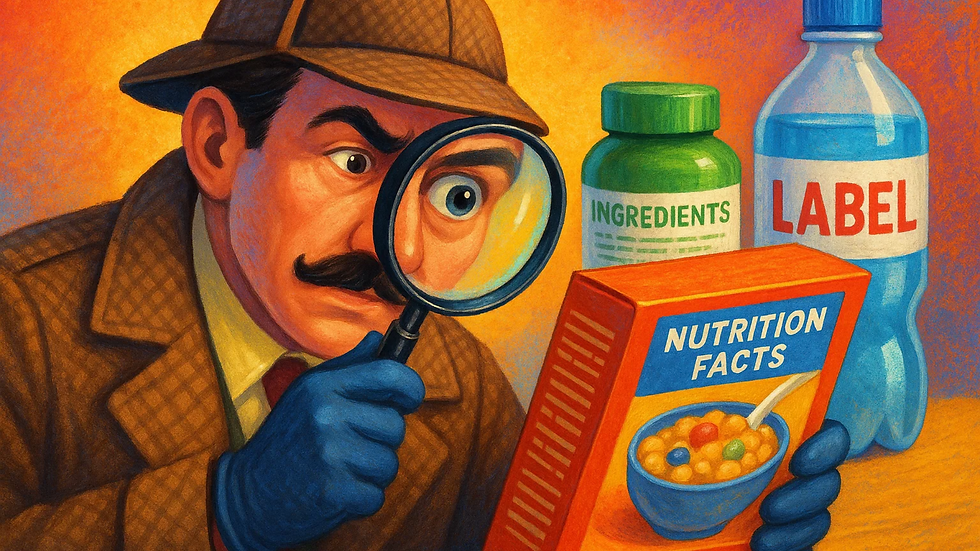
Check for ingredients ending in “-ose” or any syrup. These are usually added sugars.
2. Switch to whole foods
Fresh fruit, vegetables, lean best protein, and whole grains naturally reduce your sugar load.
3. Add more protein to your day
Protein helps stabilize blood sugar and reduce cravings.
4. Hydrate before snacking
Sometimes “cravings” are actually thirst in disguise.
5. Choose drinks wisely
Soda and sweetened coffees are often where people unknowingly consume the most sugar.
Small changes, done consistently, are more effective than any fad diet.
You can also watch: Calorie Tracker Buddy is LIVE on iOS | App Store | Your Fun, Smart Health Companion
Conclusion: Your Daily Sweet Spot
Finding your personal balance with sugar isn’t about deprivation, it's about awareness. Once you understand how much sugar per day makes sense for your body, you can make choices that feel natural, energizing, and sustainable. With a little attention and a few smart habits, you can enjoy your favorite foods while still taking great care of your long-term health.
Frequently Asked Questions
1. Is fruit sugar bad for you?
Not at all. Fruit contains fiber, vitamins, antioxidants, and water, which help your body process its natural sugars slowly. The sugar to watch out for is added sugar found in processed foods.
2. What are the symptoms of eating too much sugar?
Common signs include fatigue, brain fog, constant cravings, frequent thirst, mood swings, and weight gain. Long-term effects can be more serious, but the early signs are usually enough to tell you something’s off.
3. Are artificial sweeteners a better alternative?
It depends. Some people find them useful when transitioning away from sugary drinks or snacks. Others prefer to avoid them due to potential digestive issues or personal taste. Moderation is key.
4. Can cutting sugar help with weight loss?
Absolutely. Reducing added sugar often leads to reduced calorie intake, fewer cravings, and more stable energy all helpful for weight management.
5. How long does it take to reduce sugar cravings?
Most people notice cravings decrease within 7–14 days of cutting back. Your taste buds reset faster than you’d expect.


Comments